

Classical Guitar Phenom Jiji and Her Polystylistic Adventures
The South Korea born guitarist/composer reflects on her diverse influences, shares practice techniques, and previews some upcoming projects.

The South Korea born guitarist/composer reflects on her diverse influences, shares practice techniques, and previews some upcoming projects.

Though commonly associated with classical guitar, tremolo technique can be used on steel-string acoustic or even electric guitar to give the impression of a sustained voice.
ADVERTISEMENT
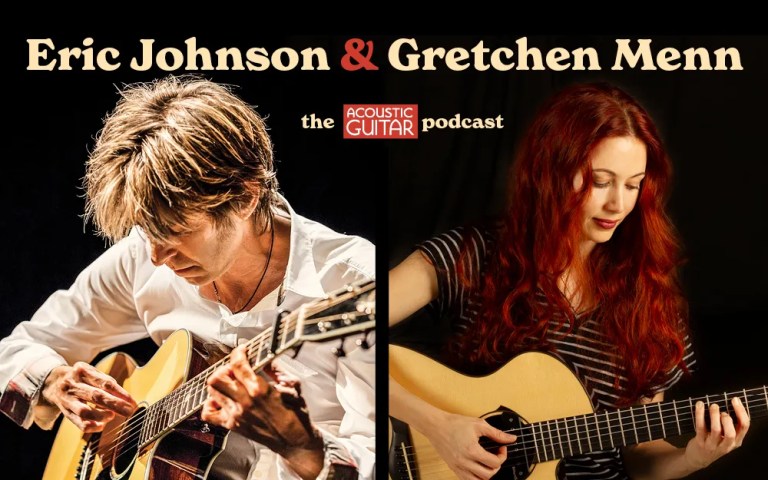
While both our guests are lauded for their electric guitar chops, this episode is all about playing unplugged.

This acoustic guitar lesson on fingerpicking arpeggios will benefit your rhythm and lead playing as well as your compositional ability and overall musicianship
Developing your sense of time and rhythmic vocabulary won’t just make you a better rhythm player, it will make you a better lead player, and a better musician overall.
ADVERTISEMENT

In this acoustic guitar lesson, Gretchen Menn breaks down the basics of scale formation and shows you how to apply that knowledge to the fretboard.
Guitarist Gretchen Menn offers beginner's tips on how to familiarize yourself with the guitar fretboard and learn the fundamentals of music theory.
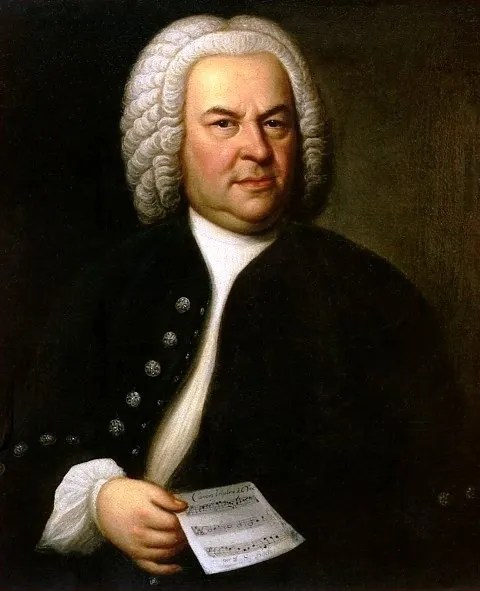
Here is J.S. Bach’s transcendental prelude to Cello Suite No. 1 performed on acoustic guitar. Learn the history of this arrangement and find advice for learning to play it yourself.
ADVERTISEMENT
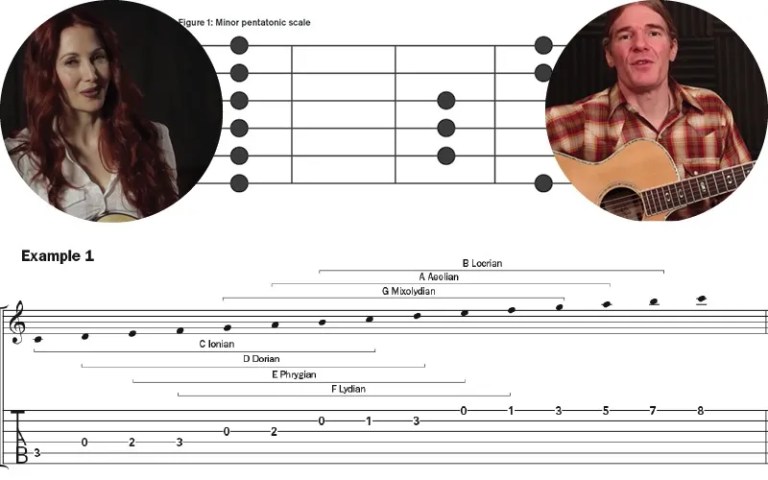
Here are some tips on understanding the power of modes and pentatonic scales (major and minor), and how to fit them into your own playing on acoustic guitar.

Start with chord shapes you already know. Learn a handful of fingerstyle picking patterns and then begin incorporating arpeggios into your vocabulary.

The basic concept for seventh chords is simple enough: any number following a chord indicates the note that is to be included in the basic triad to form a more colorful harmony.
ADVERTISEMENT

"Many guitar players have an aversion to anything that smacks of music theory," Gretchen Menn says, "My aim is to show you that having a basic understanding of the fundamentals will benefit you as a guitarist, a musician, and a creative soul."

A step-by-step guide to using the fundamentals of music to unlock both the fretboard and your creativity.

In this guitar lesson we study the fundamentals of diatonic harmony to understand the theory, then apply it to the fretboard to build chords and use them in progression.

The guitar is a wonderfully flexible instrument that allows for full, rich harmonies with easy fingerings. Yet so many guitarists stop there.
ADVERTISEMENT

You can find the blues everywhere. Its characteristic 12-bar form and blue notes permeate jazz, rock, country, soul… you name it.

The pentatonic scale is everywhere. Its characteristic sound is useful in a wide variety of genres.
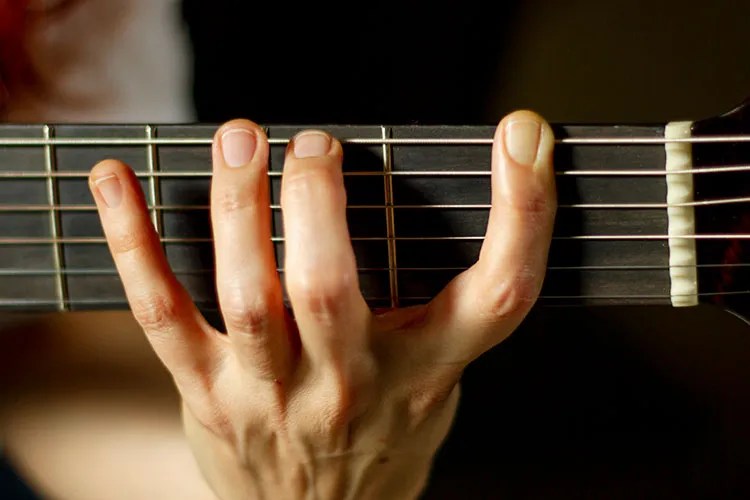
If you’re going to spend any time learning scales, why not really learn them? Why not own them? In the long run it'll be a valuable use of your time.
ADVERTISEMENT

Even if this is review for you, it’s always a good idea to revisit the basics—not only to further solidify the foundation upon which all else is built, but to provide new insights as you examine something familiar with fresh eyes and skills.
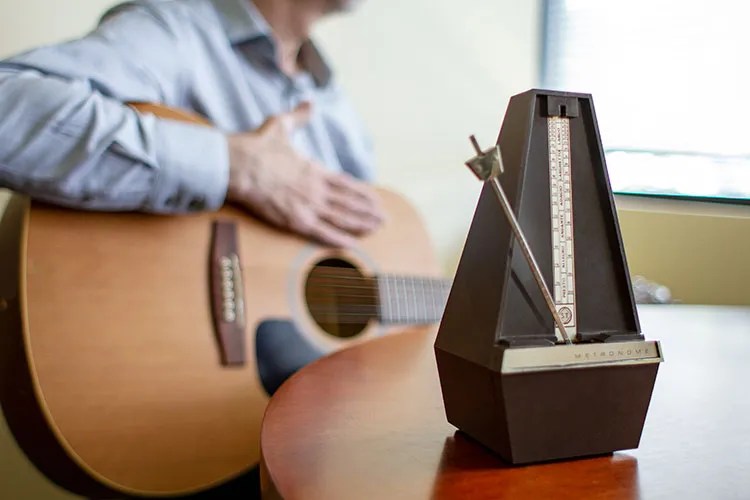
THE PROBLEM Rhythm is a shaky area for you. You have a difficult time communicating a rhythmic idea unless you can play it; you have a tendency to fall into familiar, repetitive rhythms. THE SOLUTION Learn the fundamentals of rhythm, then…

Pentatonic scales are an effective and generally manageable way to get started, and many guitar players derive much of their approach from this basic framework.
ADVERTISEMENT

Use a little music theory to learn how major and minor triads are built and to start connecting chord shapes. With an awareness of how these chords work, you’ll be primed to play songs as diverse as the Who’s “Substitute” and Paul Simon’s “Me and Julio Down by the Schoolyard”—and to create your own chord progressions and solos.

This versatile technique is used across genres—guitarists from Jimmy Page to Jorma Kaukonen have made it an essential part of their acoustic work.

