



We’ll begin by exploring how dropped-D shapes work on the I, IV, and V chords in the key of D, then build from there with ways to move through the full 12-bar form.
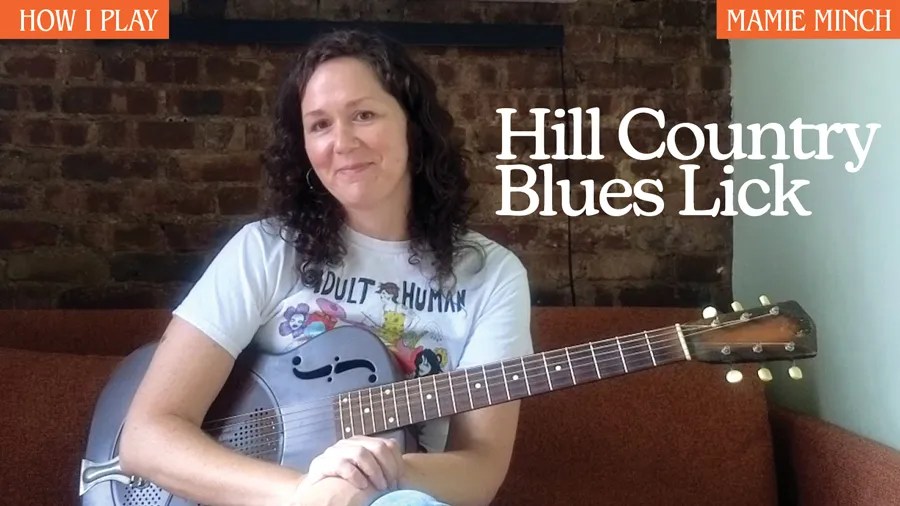
This Mississippi Hill Country lick turns up again and again, in countless variations by players like R.L. Burnside and Robert Belfour. So let’s learn it!
ADVERTISEMENT
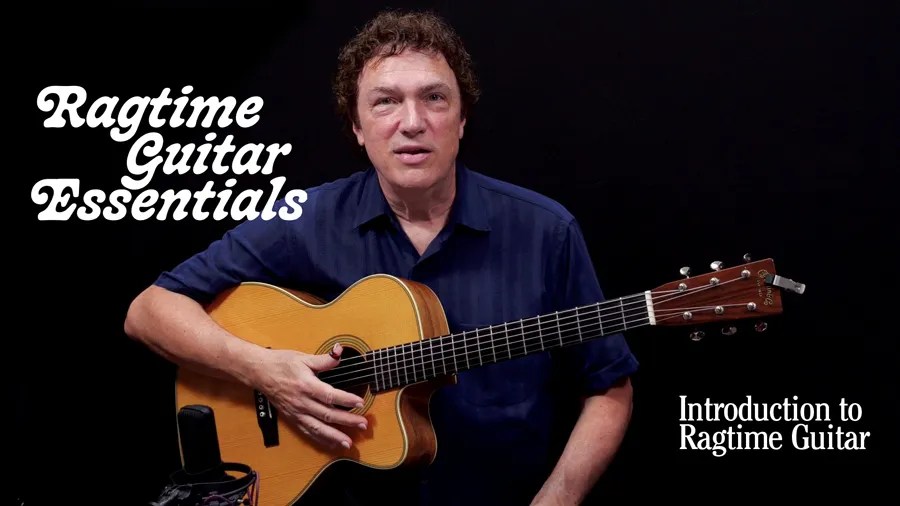
In this lesson from ‘Ragtime Guitar Essentials,’ you'll learn the fundamental techniques of re-creating the bluesy sound of ragtime piano on guitar.

This lesson is about finding your own way through the E blues. Try things out, tweak them, and make them yours—that’s what the blues is all about.
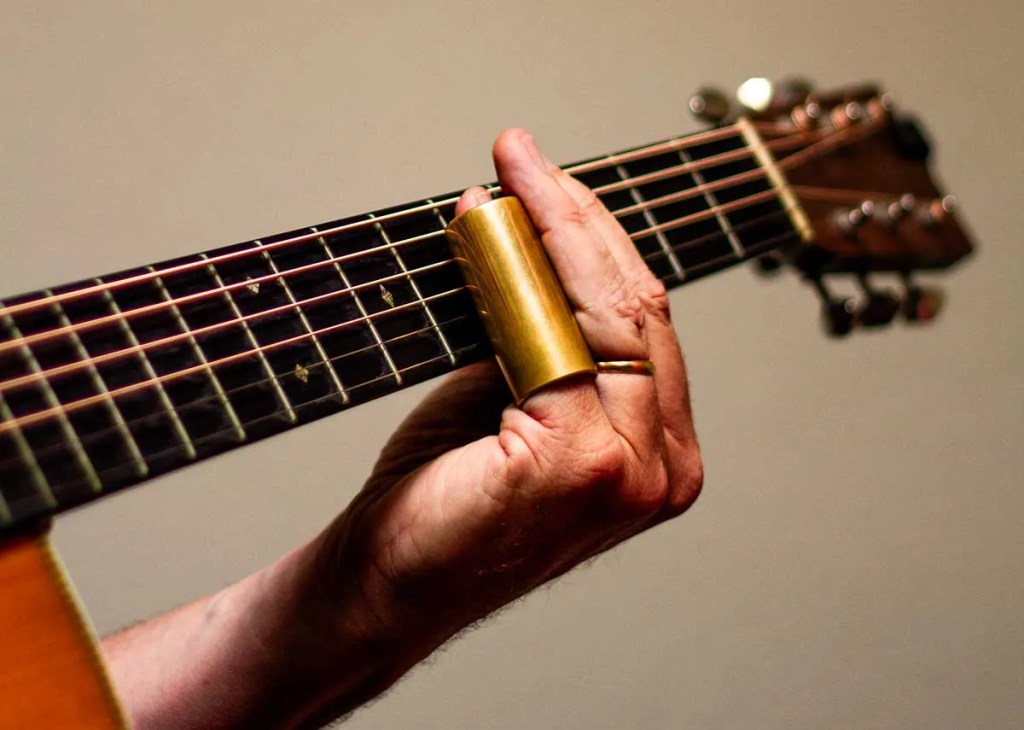
Chord tones provide not only a solid foundation for expanding your slide playing but a template for soloing in general, with or without slide.
ADVERTISEMENT

Here you'll learn a few cool licks that go beyond the minor pentatonic scale—and how to put them to use for your own leads and improvisations.
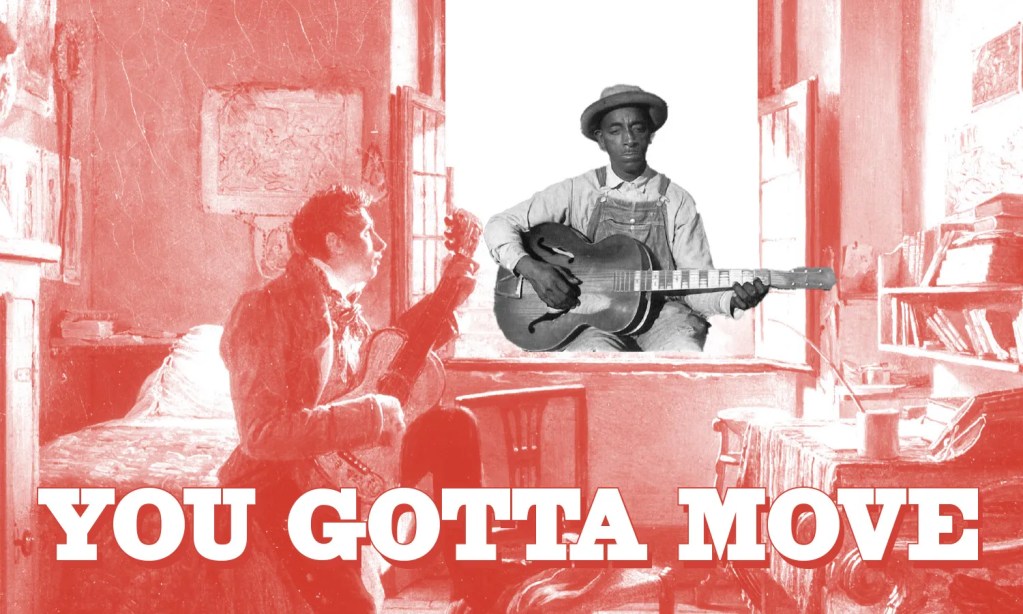
Learn to play an African American spiritual as interpreted by the legendary bluesman Mississippi Fred McDowell
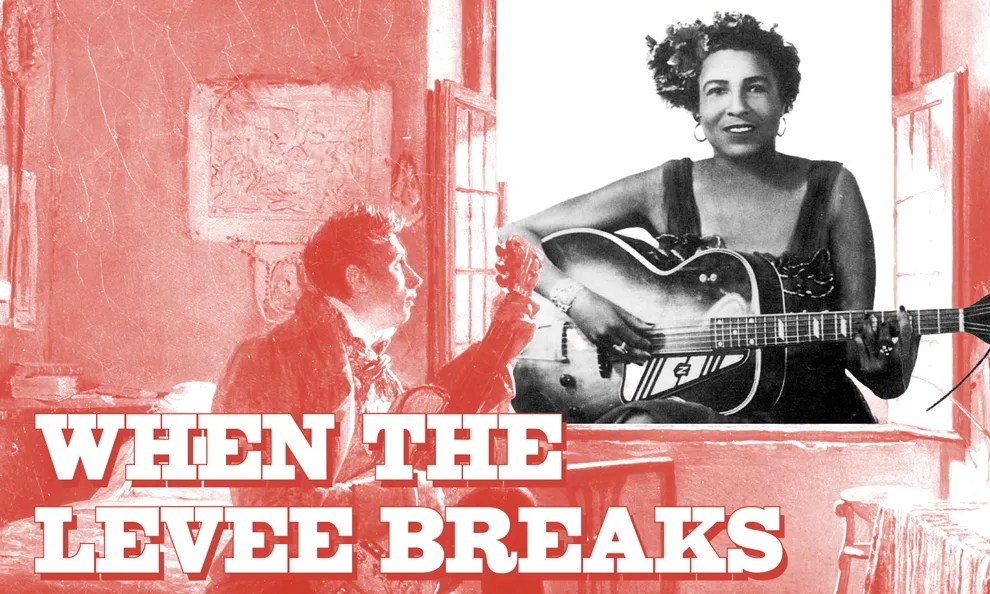
As I write this, California is seeing historic atmospheric rivers and treacherous flooding and I can’t help but think of this song from the blues canon.
ADVERTISEMENT
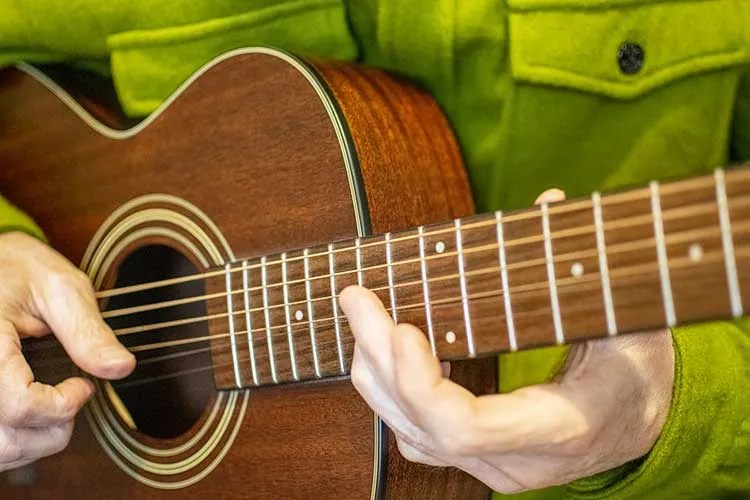
Understanding these few simple ideas will help make your blues playing more satisfying and musical.

One of James' most popular tunes, “Talco Girl” is supported by a guitar accompaniment that would make a smart instrumental composition on its own.

“Most of the time I have no idea how the music comes from my fingertips while writing. It’s not like I’m going for some genre or sound. It just happens!”
ADVERTISEMENT
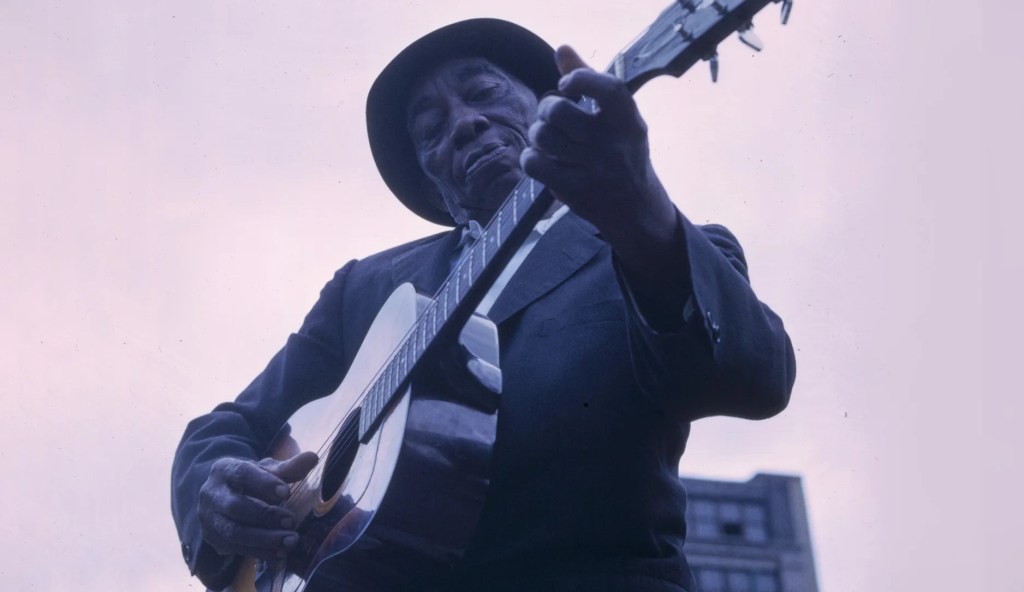
Although John Hurt’s style and repertoire are often imitated, his guitar sound is hard to duplicate. In this lesson, Steve James teaches you how to play like Mississippi John Hurt.
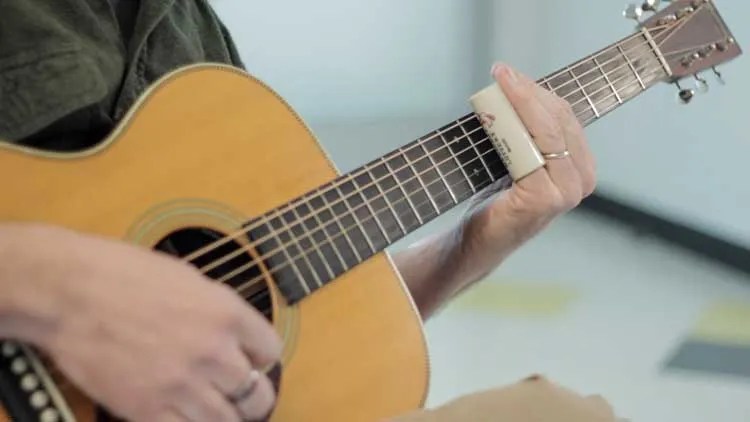
There are several things you can do to get a good slide sound: Set up your guitar with heavier strings, use an open tuning, try different kinds of slides, dampen the strings, and learn to properly intonate. Getting a good sound is often as much a function of proper setup as it is technique.
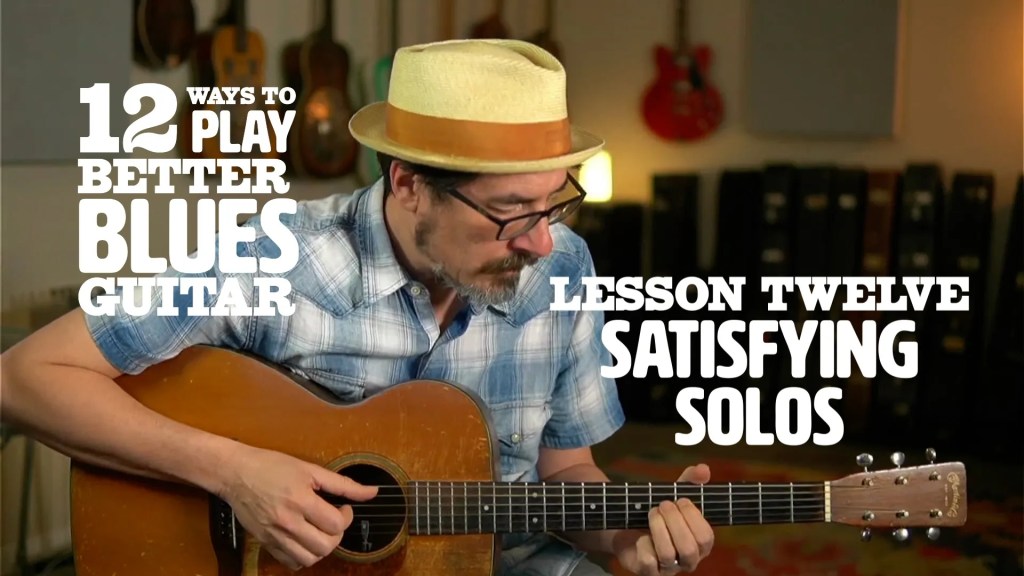
Learn how to use the form of the 12-bar blues as a roadmap for your improvising and give your blues solo a sense of logic and musical development.
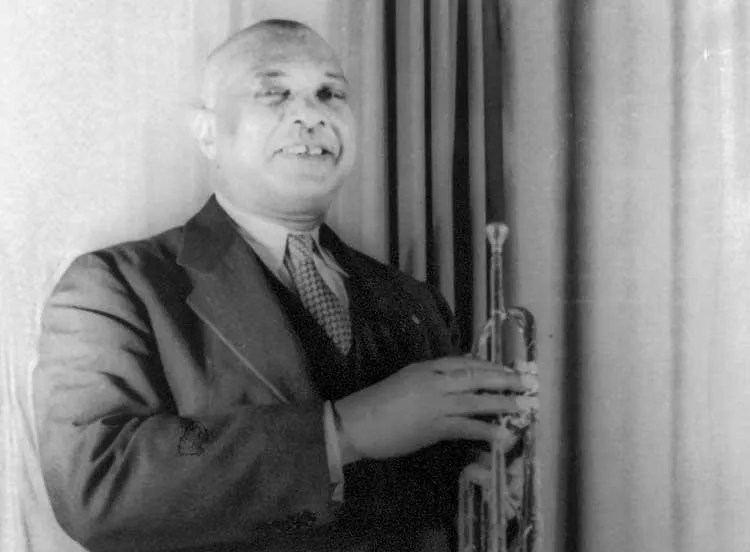
Guitarist and W.C. Handy scholar Jon Shain shares strategies for adapting ragtime pieces for fingerstyle guitar using the 1917 Handy song "Beale Street Blues" as an example.
ADVERTISEMENT
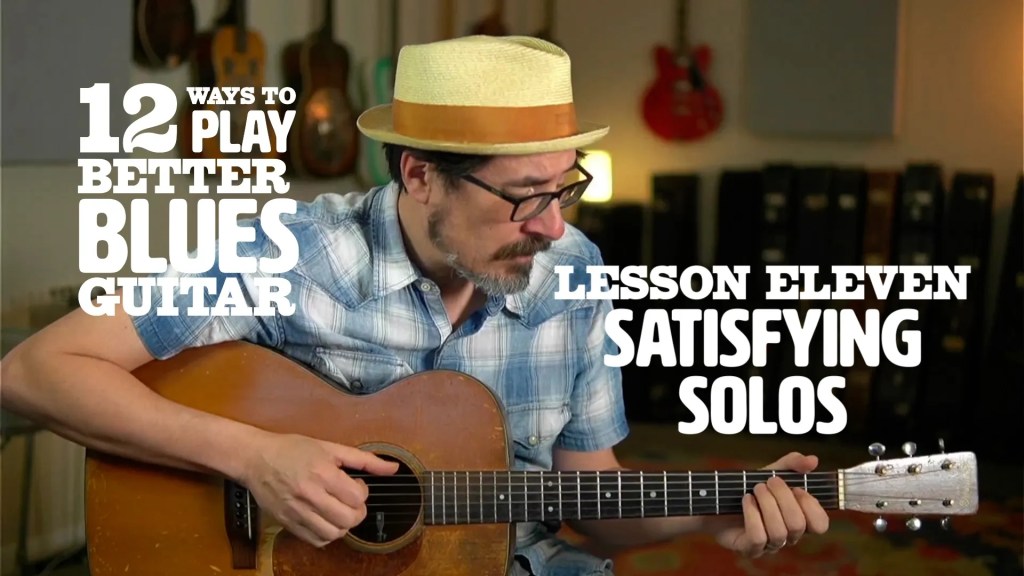
Learn to create a solo that has a certain kind of connectedness and unity, because it’s based around some related ideas instead of just whatever lick you happen to come up with at the moment.

In this guitar lesson you will learn to play a 12-bar walking-bass blues in the key of E major, adding some swing to your blues playing.
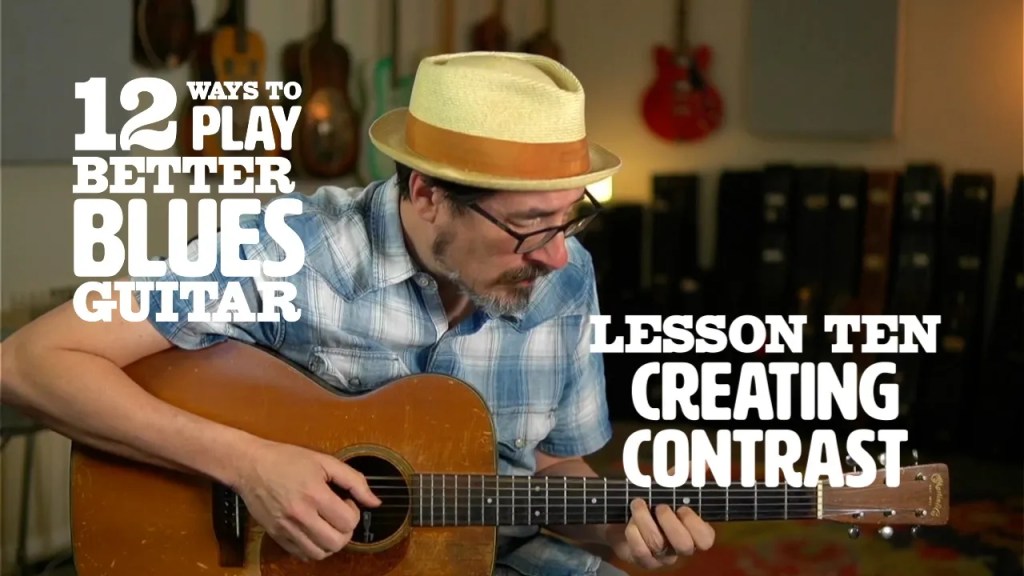
Space can be good, but if you want to create a bigger sense of dimension, adding in chords as responses to single-note licks can give you a new depth and texture, while creating an additional level of call-and-response.
ADVERTISEMENT
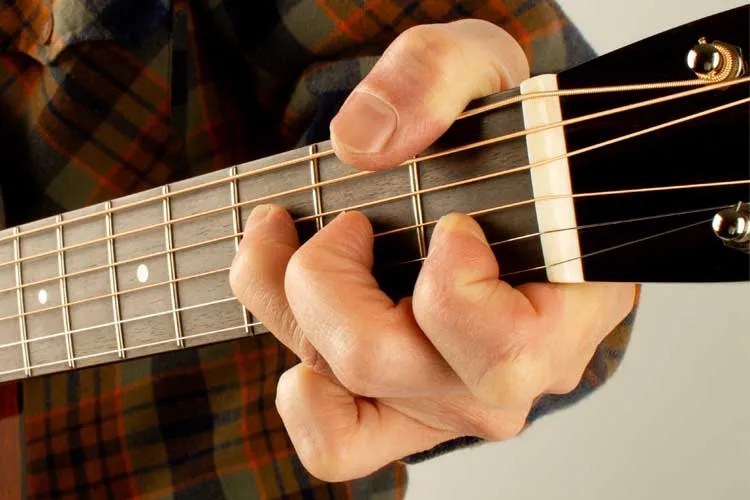
Here are three ways to play a 12-bar blues in C major on guitar, seen through the lens of the old blues masters.

This trio of lessons explores some of the open tunings most frequently heard in the blues: Vastopol, Spanish, open-C and open-G

Learn the basics of acoustic slide guitar and start to find the notes between the notes where the range of human emotion runs.
ADVERTISEMENT
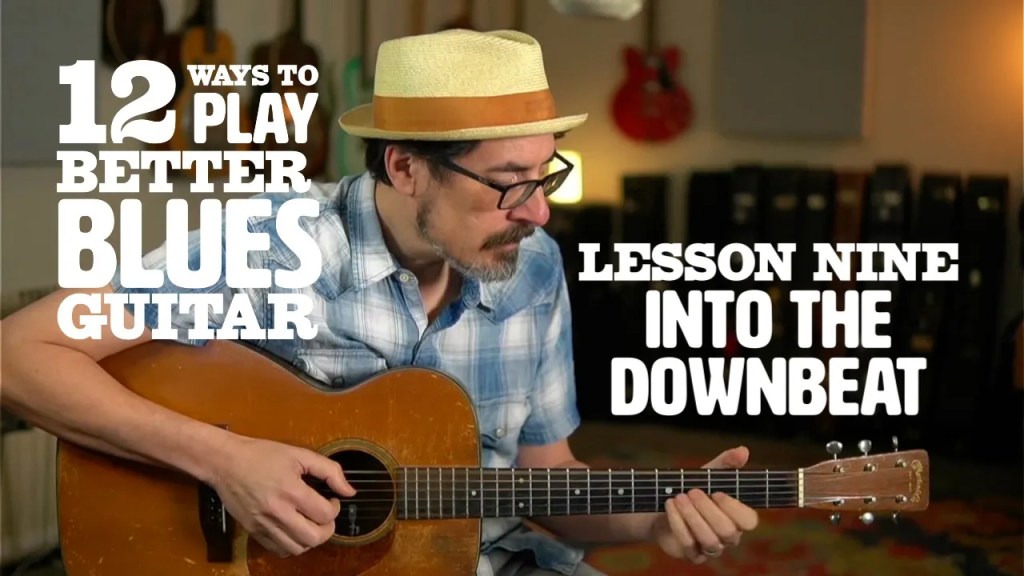
Look at how to play into the downbeat to create momentum in your fingerstyle blues soloing and explore different kinds of resolutions—short, long, and delayed.

Explore how you can add motion and color to your blues playing by using compact chord voicings inspired by the great jazz guitarist Freddie Green.
The two principal open tunings used in blues guitar playing have old, vernacular American names: Vastopol and Spanish.
ADVERTISEMENT

Create call-and-response statements using Western swing chords. You’ll learn to play single-note licks on the I chord in the key of A major, answered by different combinations of sixth and ninth chords.

