
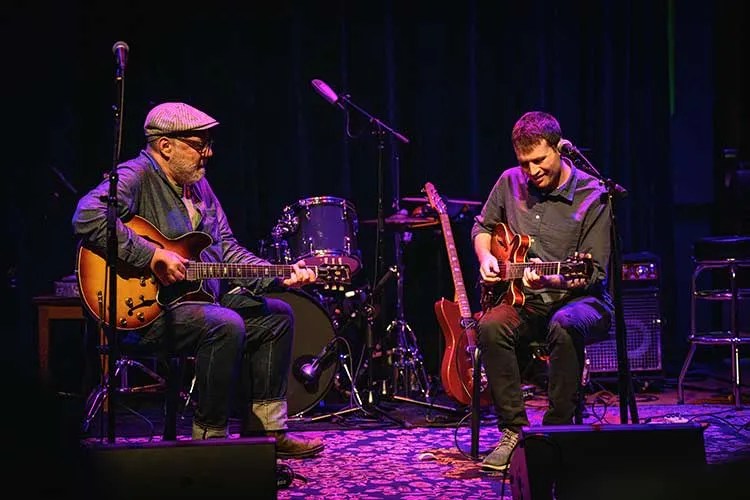
Five Ways to Evolve Your Musicianship Now
Guitarists Adam Levy and Ethan Sherman offer ideas for taking your music to the next level.
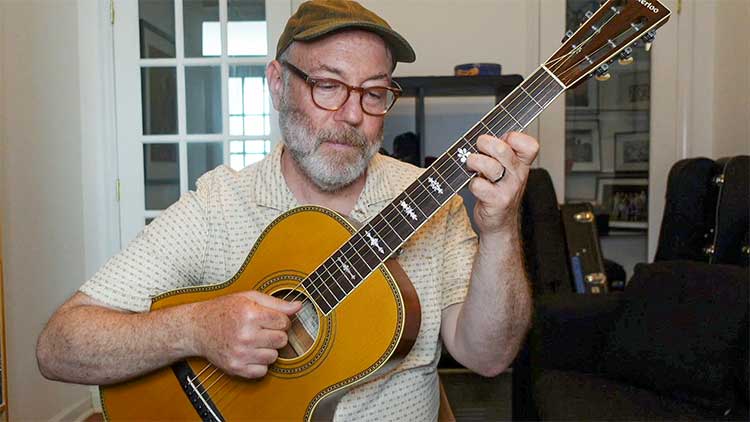
Guitarists Adam Levy and Ethan Sherman offer ideas for taking your music to the next level.
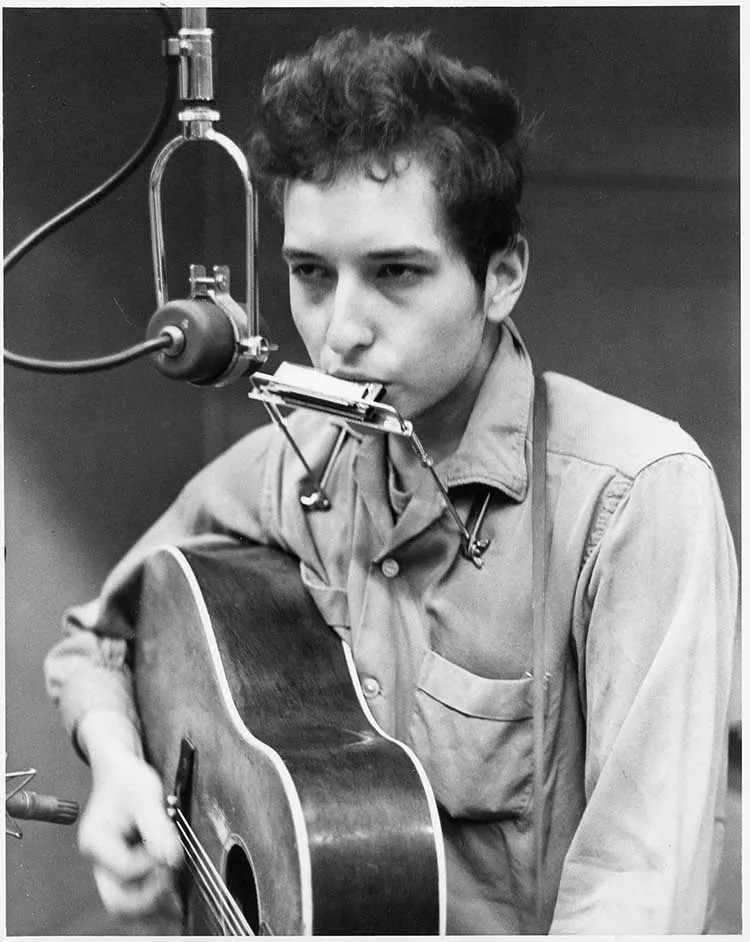
Bob Dylan's great acoustic guitar playing is often overlooked. Here we showcase his deceptive chord moves, his fluency with standard and non-standard tunings, and his knack for constant reinvention.
ADVERTISEMENT
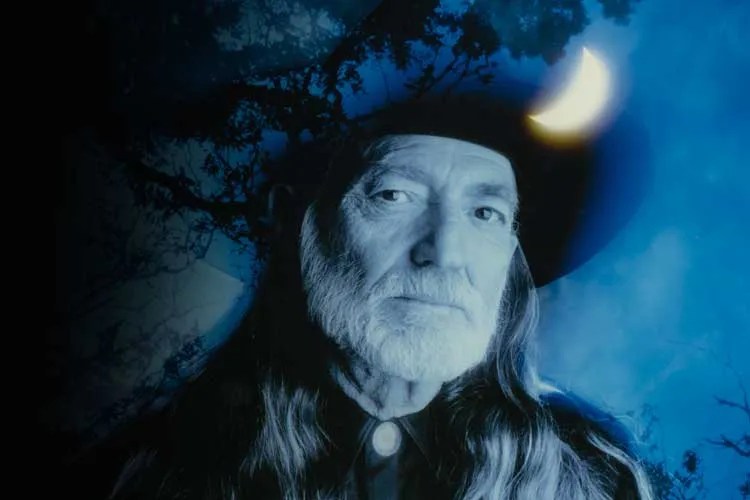
Though Willie Nelson is most easily described as a country musician, elements of jazz have always permeated his style. Here, Adam Levy digs into Nelson's acoustic guitar approach.

Sometime in the 1920s, a peculiar form of blues emerged that was substantially different from the better-known varieties. The style is commonly known today as talking blues. Despite the moniker, however, it rarely employs the 12-bar chord progression that is…
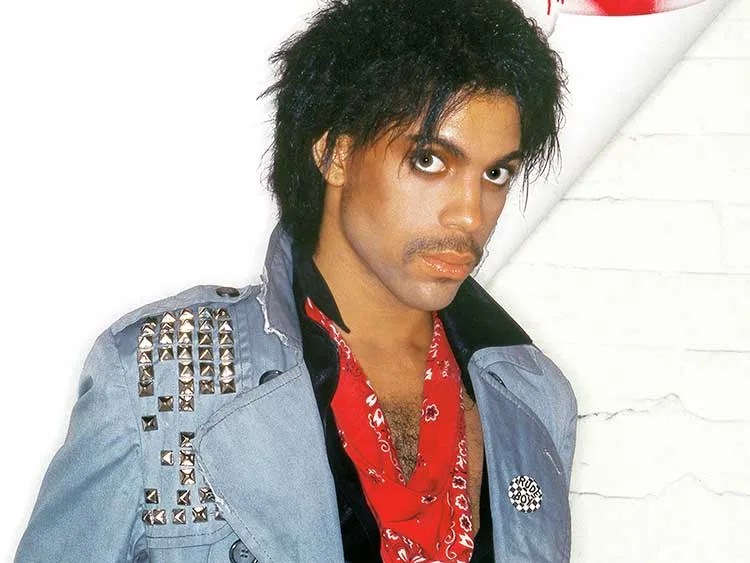
It might seem incongruous to see “I Feel for You,” a song made popular by the R&B singer Chaka Khan in the mid-1980s, in this magazine. Sure, it’s a classic, but there’s nothing even faintly acoustic about Khan’s version of…
ADVERTISEMENT
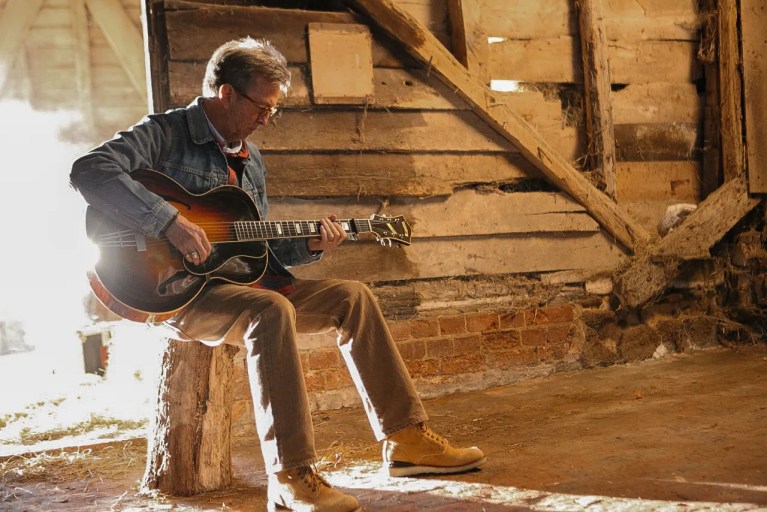
Here you’ll learn some of Clapton’s most intriguing acoustic moves—sophisticated chord shapes, rollicking rhythms, sinuous solo lines, and more.
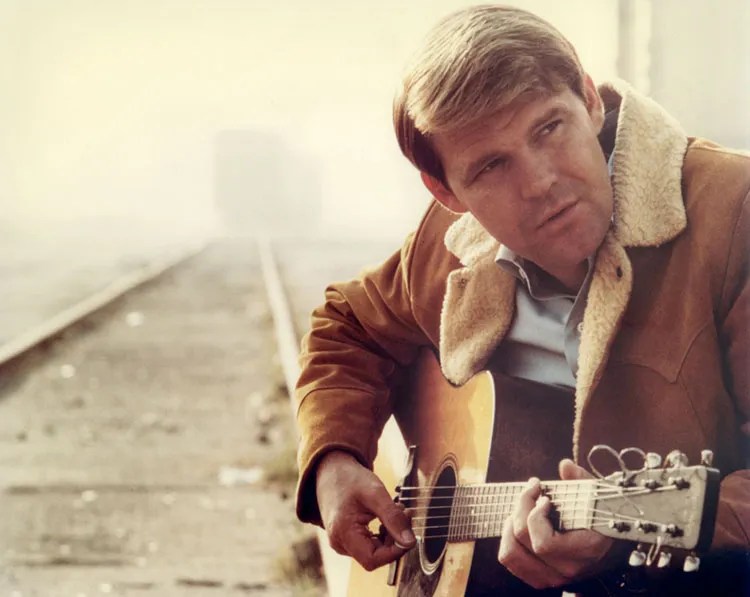
Whether playing live or in the studio, Campbell always displayed a distinctive style. Here's a look at some of the essential elements of his methodology.

Paul Simon—with Art Garfunkel and without—and has composed some of the most beloved songs of the 20th century. This lesson explores his musical styles and techniques.
ADVERTISEMENT
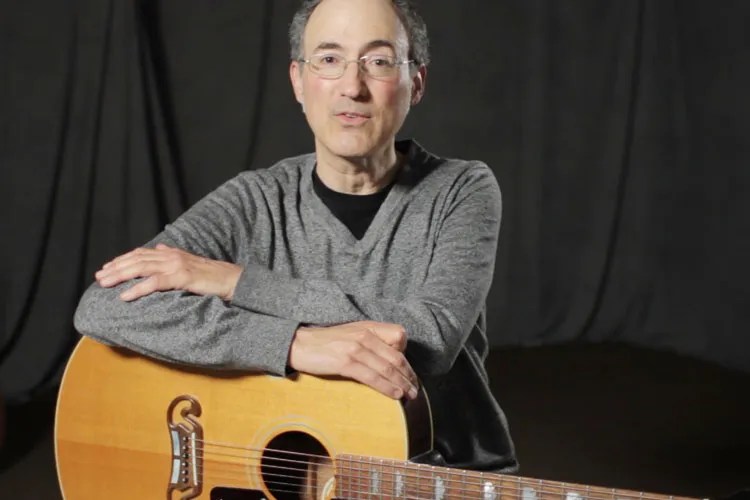
Playing melodies in parallel sixths evokes the sweet sound of classic Memphis soul. Here's how to use sixths in a variety of musical ways

Here you’ll learn a few fundamental solo-guitar concepts that will get you started and leave you with enough tools to continue developing at your own pace.
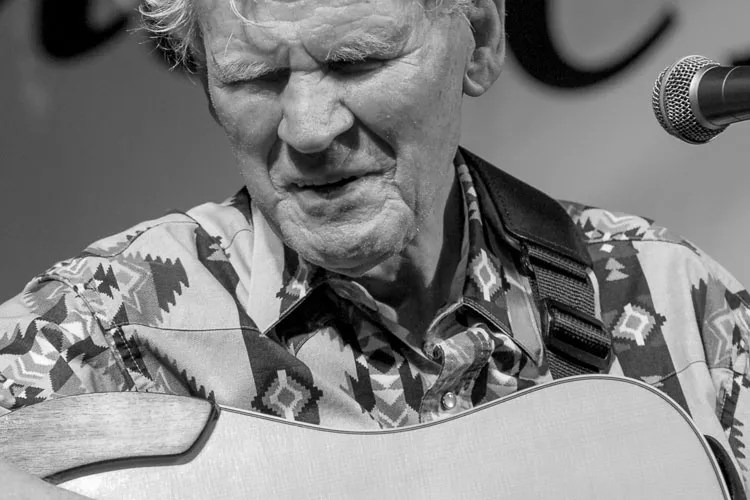
Try these exercises to make your melodies more harmonic and your harmonies more melodic.
ADVERTISEMENT
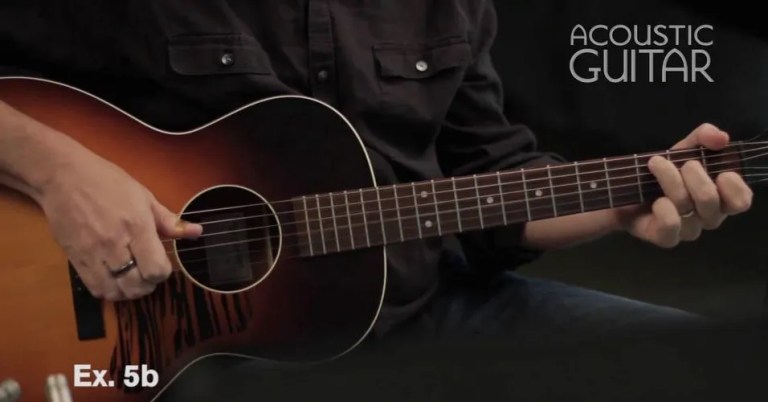
Guitarists tend to find comfort zones, then lean on the same patterns. Rhythmic displacement is a great way to keep your playing rhythmically fresh.
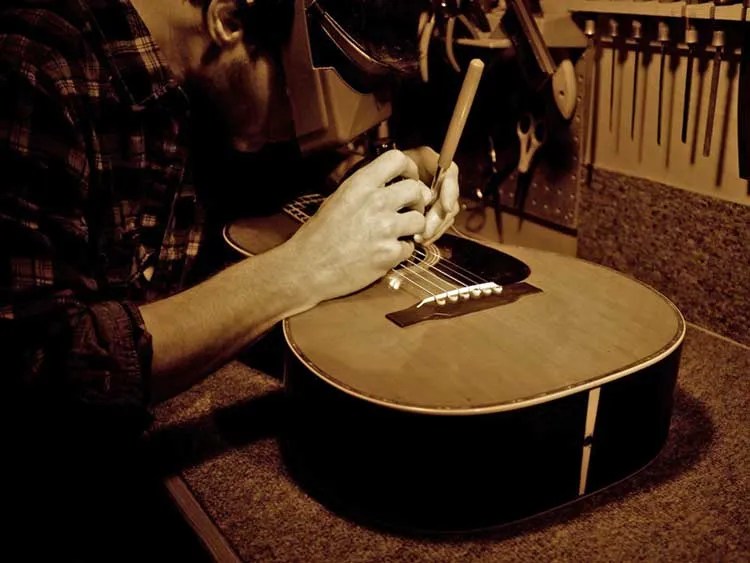
Luthier and instrument restorer David Eichelbaum's M.O. stems from one simple tenet: Do no harm.
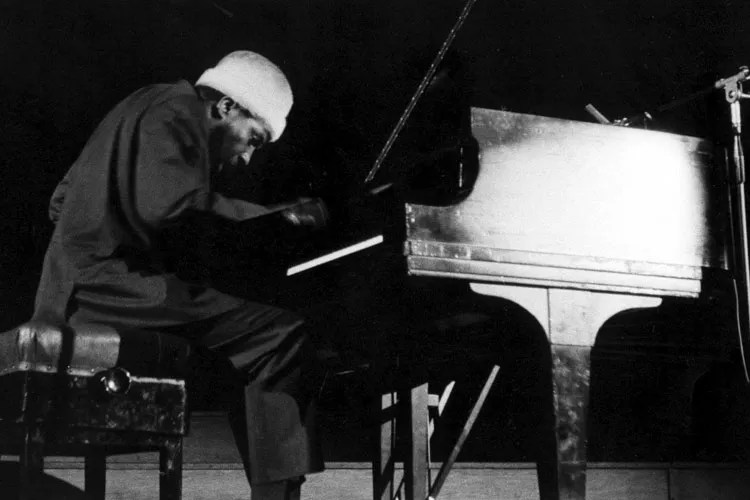
Thelonious Sphere Monk was a brilliant jazz pianist and composer, active from the 1940s through the early ’70s. You are, presumably, an acoustic guitarist, playing music in the 21st century. As such, you may or may not be interested in…
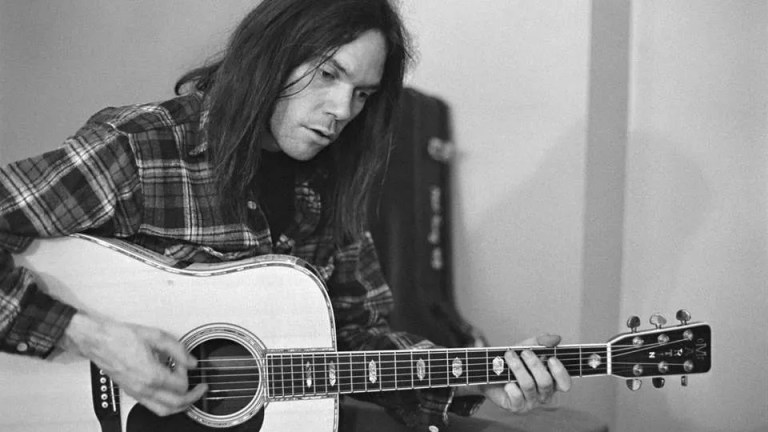
Among the many players who’ve used such tactics to create sui generis riffs and chord progressions, perhaps no one has been more successful than prolific singer-songwriter Neil Young.
ADVERTISEMENT

Introducing accents into your strumming/rhythm patterns can make even well-worn chord progressions sound fresh.

Learn some of Bob Dylan’s deceptive chord moves, his fluency with standard and non-standard tunings, and his knack for constant reinvention with music examples drawn from his early work.
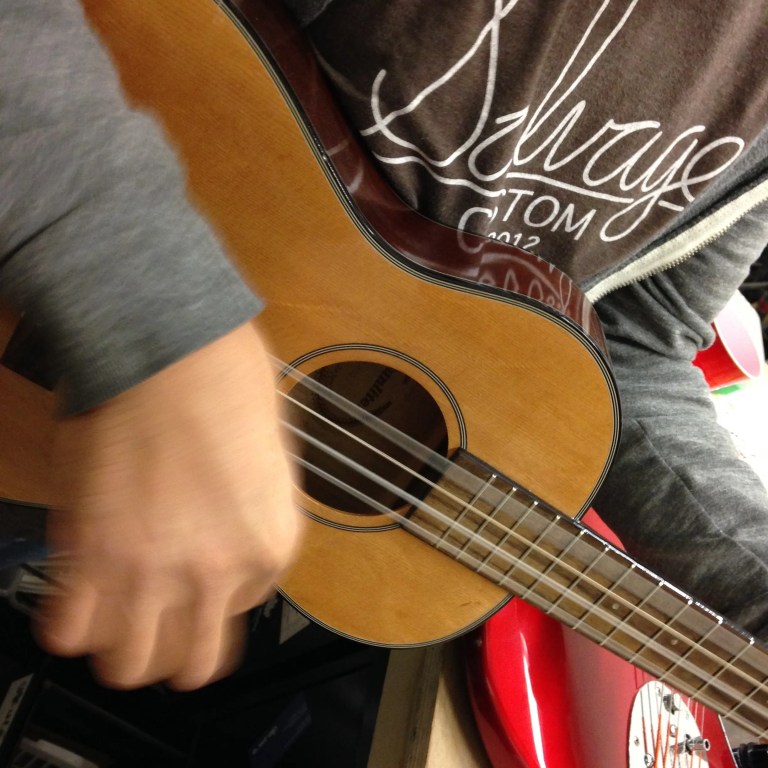
Gabriel Tenorio explains how and why he and his small crew at Guadalupe Custom Strings wind their strings one at a time.
ADVERTISEMENT
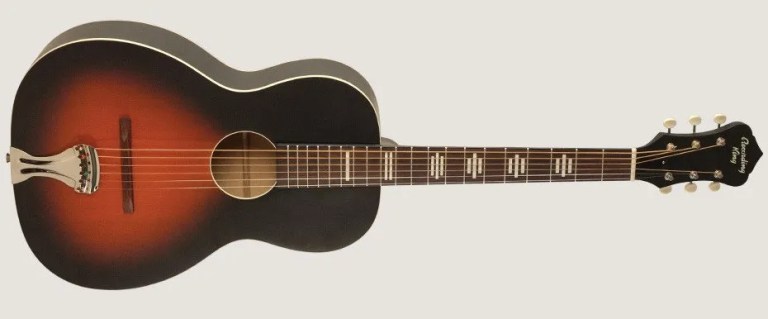
If you’re into smallish flattops with ear-grabbing tones and pawnshop-chic looks, this budget beauty is right up your alley.
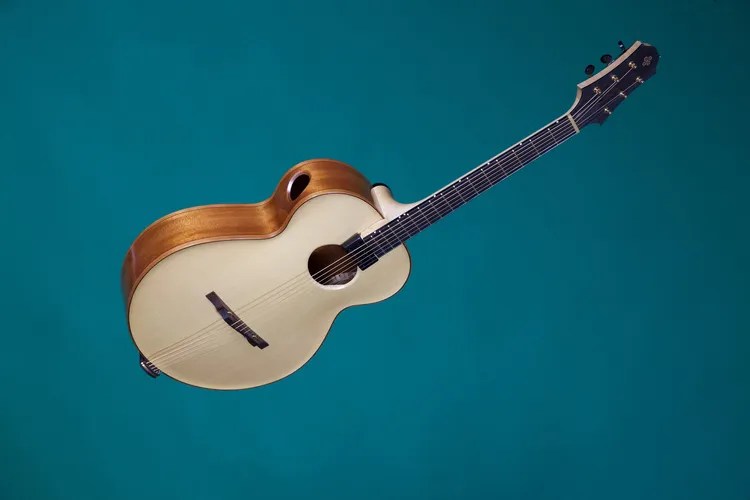
While it is the descendant of instruments usually associated with swing and bop, virtually any style that you can play on a flattop could be rendered on this guitar.
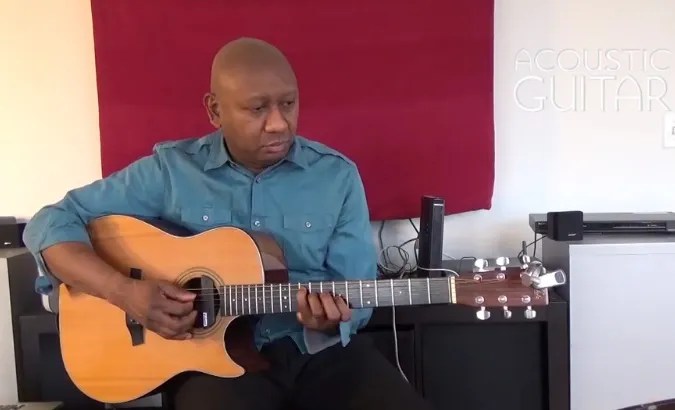
Creating cool parts from scratch may seem to be a mysterious art form but it needn’t be an intimidating prospect
ADVERTISEMENT
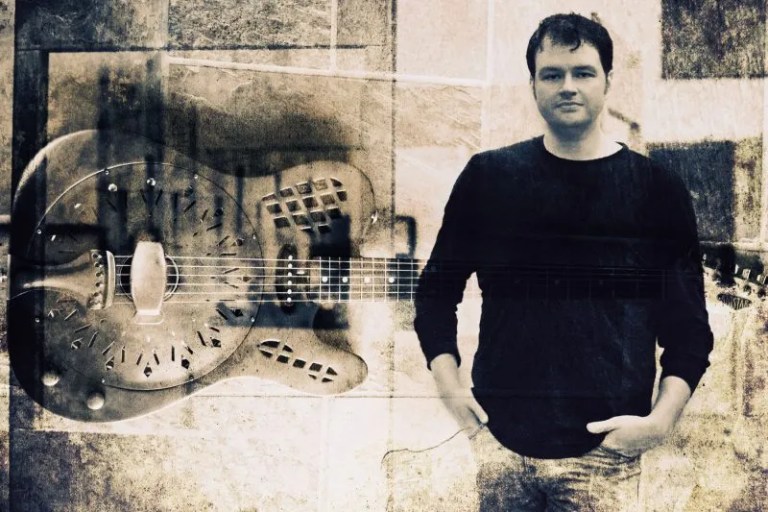
The jazz guitarist has developed a personal instrumental voice that is both steeped in tradition and wholly original.
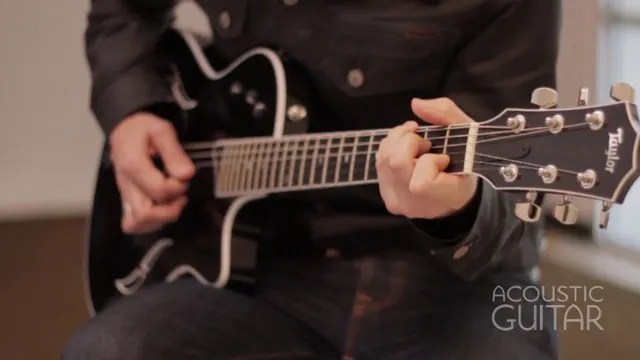
This guitar has svelte contours, jazzy S-curve cutouts, and a slimline humbucking pickup near the bridge
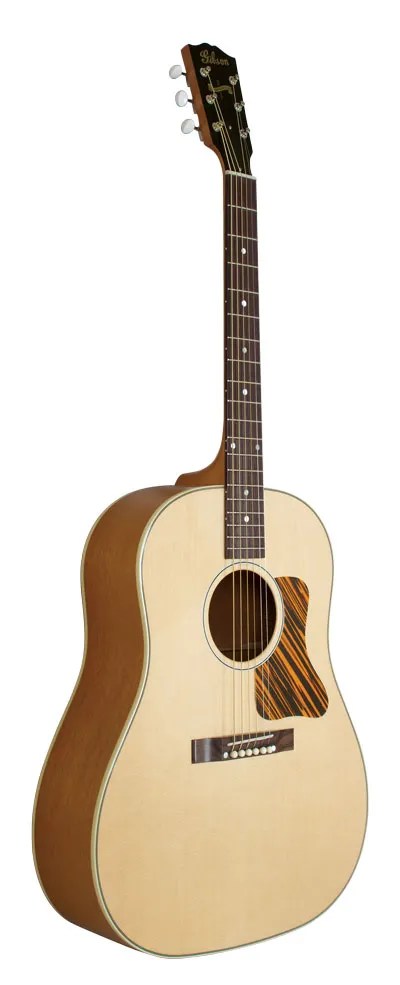
Gibson's reintroduced J-35 is built in Bozeman, Montana, has all the sonic and aesthetic charm of its ancestor, and is once again priced competitively.

